
2mm float glass
Tinted glass is a revolutionary material that combines functionality with visual appeal, offering solutions for energy efficiency, comfort, and design. As a leading manufacturer in the glass industry, Shahe Shott Glass Co., Ltd. has developed a range of tinted glass products that cater to diverse architectural and industrial needs. This article delves into the features, advantages, technical specifications, and applications of tinted glass , while exploring how it contributes to modern energy-efficient designs and aesthetic innovation. Understanding the Core Features of Tinted Glass Tinted glass is a type of colored glass produced by incorporating specific colorants into the glass matrix during the manufacturing process. This results in a material that not only enhances the visual appeal of structures but also improves performance in terms of solar control and energy management. According to the National Institute of Standards and Technology (NIST) , solar control glass plays a critical role in reducing heat transfer and optimizing indoor environments, making it a cornerstone of sustainable architecture. 1. Heat Absorption and Solar Radiation Control One of the primary functions of tinted glass is its ability to absorb solar radiation. Through rigorous solar control testing, it has been established that tinted glass outperforms clear float glass in terms of heat transmittance. For instance, a 6mm-thick clear float glass allows approximately 84% of heat to pass through, whereas tinted glass reduces this to around 60%. The darker the color, the lower the heat transmittance, making it an ideal choice for regions with intense sunlight. This property is particularly beneficial in NIST -recognized energy-efficient applications, where minimizing heat gain is essential. By reducing the reliance on air conditioning systems, tinted glass contributes to energy savings and lower carbon footprints, aligning with global sustainability goals. 2. Sunlight Intensity Reduction In areas with high solar intensity, such as deserts or low-latitude regions, tinted glass effectively reduces the intensity of sunlight. This feature not only prevents glare but also creates a more comfortable indoor environment. For example, reflective glass , a variant of tinted glass, enhances this performance by reflecting a significant portion of solar radiation, further improving energy efficiency. According to a study by the National Institute of Standards and Technology , the strategic use of tinted glass in building facades can reduce the need for artificial lighting and cooling, thereby optimizing energy consumption. This makes tinted glass a valuable asset in modern architectural designs. Advantages of Tinted Glass in Modern Applications The benefits of tinted glass extend beyond energy efficiency. Its versatility and aesthetic appeal make it a preferred choice for a wide range of applications. 1. Enhanced Visual Comfort Excessive sunlight can cause visual fatigue and reduce productivity in workplaces. Tinted glass mitigates this issue by softening the intensity of natural light, creating a balanced indoor environment. This is particularly important in commercial and residential buildings, where maintaining optimal lighting conditions is crucial for occupant well-being. 2. Aesthetic Versatility Tinted glass comes in a variety of colors, including grey tinted glass , blue tinted glass , black tinted glass , and green tinted glass . These color options allow architects and designers to create visually striking facades and interiors. For instance, golden bronze and dark grey shades add a sophisticated touch to buildings, while ocean blue and f-blue hues evoke a sense of calm and modernity. 3. Automotive and Industrial Applications In the automotive industry, tinted glass is used in vehicle windows to reduce glare and protect passengers from harmful UV rays. This not only enhances driver safety but also improves the overall comfort of the vehicle. Additionally, tinted glass is employed in industrial settings for applications such as partitions, signage, and equipment enclosures, where durability and light control are essential. Technical Specifications of Tinted Glass The technical specifications of tinted glass are designed to meet the demands of diverse applications. Below is a detailed overview of its key parameters: Parameter Details Size (mm) 1650x2140, 1830x2440, 2140x3300, 2440x3300, or custom sizes Thickness 4mm, 5mm, 6mm, 8mm Color Options Golden Bronze, Euro-Bronze, Dark Grey, Euro Grey, Black, F-Blue, Dark Green, F-Green, Ocean Blue, etc. Applications Architecture, furniture, decoration, automotive These specifications ensure that tinted glass can be tailored to specific project requirements, whether for large-scale commercial buildings or custom interior designs. Applications of Tinted Glass in Modern Architecture Tinted glass has become an integral component of modern architecture, offering solutions for both functional and aesthetic purposes. Its applications span across various sectors, including: 1. Building Facades Architectural facades often incorporate tinted glass to enhance the visual appeal of structures while improving energy efficiency. The use of grey tinted glass and blue tinted glass can create a sleek, contemporary look, while black tinted glass adds a sense of sophistication. According to the National Institute of Standards and Technology , such materials are critical in reducing the environmental impact of buildings by optimizing natural light and thermal performance. 2. Interior Design Tinted glass is also widely used in interior spaces to create a sense of privacy and style. For example, tinted glass sheets can be used as partitions, shower enclosures, or decorative elements, adding a touch of elegance to any room. The ability to customize colors and thicknesses allows for seamless integration into various design schemes. 3. Automotive Industry In the automotive sector, tinted glass is used in vehicle windows to reduce glare and improve driver visibility. This not only enhances safety but also contributes to passenger comfort. The tinted glass used in automotive applications is often tempered or laminated to meet stringent safety standards. Company Background: Shahe Shott Glass Co., Ltd. Shahe Shott Glass Co., Ltd. is a leading manufacturer of high-quality glass products, specializing in tinted glass , reflective glass , and clear float glass . With a commitment to innovation and customer satisfaction, the company has established itself as a trusted name in the glass industry. Founded with a vision to provide sustainable and energy-efficient glass solutions, Shahe Shott Glass Co., Ltd. has consistently delivered products that meet international standards. Their expertise in tinted glass manufacturing ensures that clients receive materials that combine performance with aesthetic appeal. Product Display and Visual Examples Below are some visual examples of tinted glass products offered by Shahe Shott Glass Co., Ltd. : Conclusion Tinted glass is a versatile material that offers numerous benefits, from energy efficiency to aesthetic enhancement. As demonstrated by Shahe Shott Glass Co., Ltd. , the advancements in tinted glass technology have made it an essential component of modern architecture and design. By leveraging the properties of tinted glass , professionals can create spaces that are not only visually appealing but also sustainable and functional. References National Institute of Standards and Technology (NIST) . (n.d.). Energy Efficiency in Buildings . Retrieved from https://www.nist.gov/ . Shahe Shott Glass Co., Ltd. . (n.d.). Product Specifications and Applications . Retrieved from https://www.chinamirrorglass.com/ .
-
bathroom mirror 500 x 700
bathroom mirror 500 x 700
View Details -
flat glass manufacturers
flat glass manufacturers
View Details -
large glass sheets
large glass sheets
View Details -

gray tinted glass
gray tinted glass
View Details -

cost of tempered glass panels
cost of tempered glass panels
View Details
Our application
-
 read more
 -
 read more
 -
 read more
 -
 read more
 -
 read more
 -
 read more
news and information
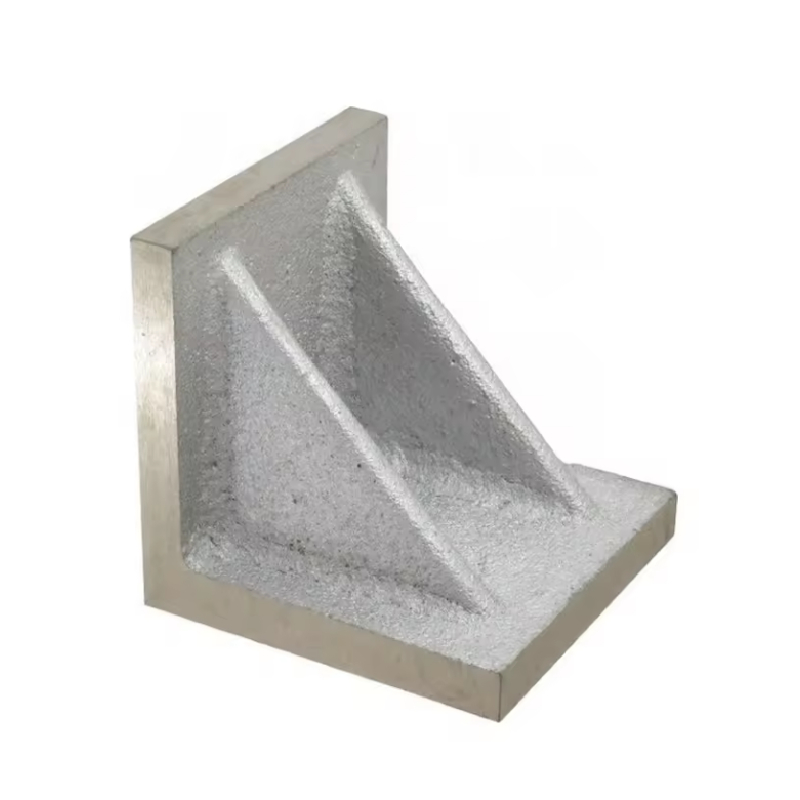
Y Type Strainer Filter for Efficient Fluid Filtration Solutions
Understanding Y-Type Strainer Filters A Comprehensive Guide In various industrial applications, main
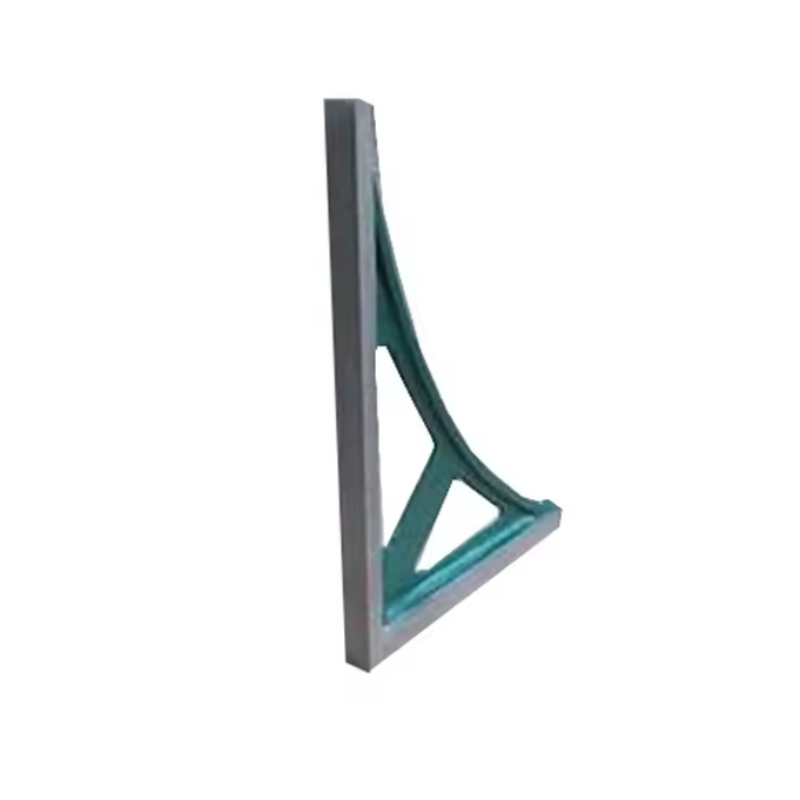
Utilizzo di barre d'acciaio nei lavori di costruzione di edifici e strutture
L'importanza delle barre d'acciaio nelle costruzioni edili Nel settore delle costruzioni, l'uso dell
Various Types of Micrometers and Their Applications in Precision Measurement
Types of Micrometers A Comprehensive Guide Micrometers are precision measuring instruments commonly